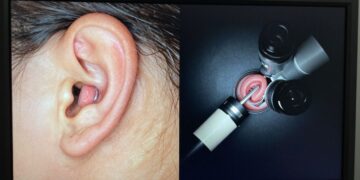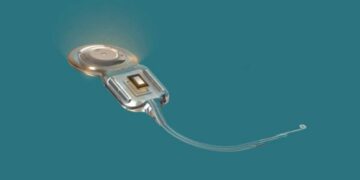




Dealing with ear infections can be a real pain, especially when they just won’t quit. We’re talking about the kind that stick around, making life difficult for both kids and adults. This article is going to break down what Chronic Otitis Media is all about, why it happens, and what you can do about it. Let’s get into it.
Key Takeaways
- Chronic Otitis Media refers to long-lasting or recurring middle ear infections.
- Symptoms can include ear pain, hearing loss, and drainage, but can also be subtle.
- Causes range from persistent fluid buildup and anatomy to environmental factors like smoke exposure.
- Diagnosis involves a physical exam, hearing tests, and sometimes imaging.
- Treatment options vary from medication and ear drops to surgical procedures like ear tube insertion.
What Exactly is Chronic Otitis Media?
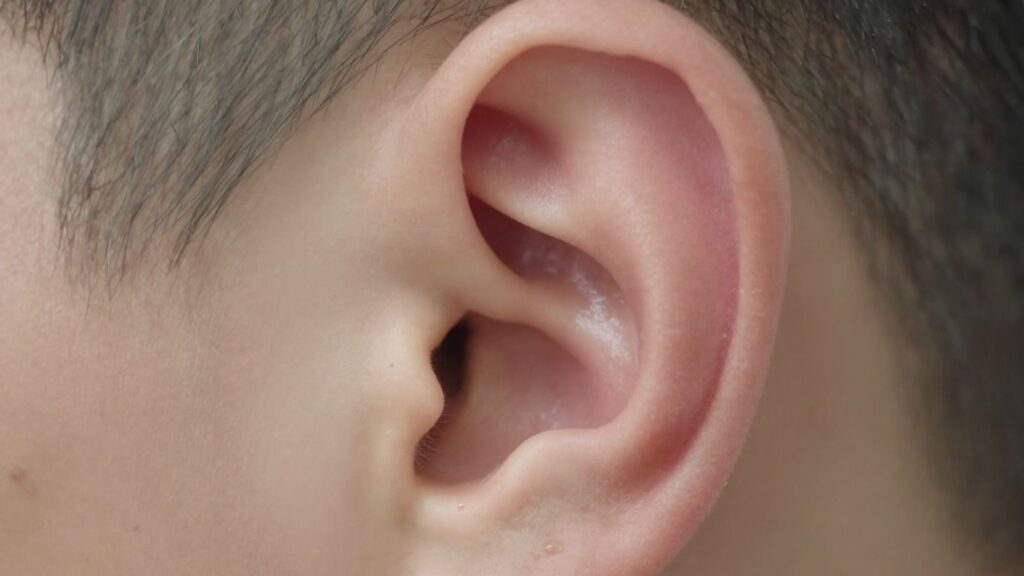
Okay, so we’re talking about the kind of ear infections that just won’t quit. This isn’t your typical “one and done” earache. Chronic Otitis Media, or COM, is basically a persistent middle ear infection or inflammation that sticks around. It’s a condition that can really wear you down if you’re dealing with it.
Understanding the Different Types
COM isn’t just one single thing. It can show up in a few different ways, and knowing the difference can help when you’re talking to your doctor. The main types usually involve either a perforated eardrum (that’s a hole in your eardrum) or ongoing discharge from the ear. Sometimes, it’s a “dry” type where there’s no discharge, but the inflammation is still there. Other times, it’s “suppurative,” meaning there’s pus or discharge. A more complicated form involves something called cholesteatoma, which is a skin growth that can form in the middle ear and cause damage if not dealt with.
The middle ear is a small space behind the eardrum. Normally, it’s filled with air and drains fluid through a tiny tube called the Eustachian tube, which connects to the back of your throat. When this tube gets blocked or doesn’t work right, fluid can build up, creating a perfect spot for bacteria to grow and cause an infection.
Here’s a quick rundown of how it can present:
- Dry COM: No active discharge, but there might be a hole in the eardrum or signs of past infection.
- Suppurative COM: This is the one with ongoing ear discharge, often from a perforated eardrum. It can be caused by bacteria.
- Cholesteatoma: A non-cancerous skin growth that can develop in the middle ear, often due to long-term infection or eardrum damage. It can erode bone and cause hearing loss or other problems.
It’s important to get a proper diagnosis because the treatment can vary quite a bit depending on which type of COM you’re dealing with. Sometimes, simple treatments work, but other times, you might need to consider surgical interventions to fix the underlying issue.
Recognizing the Signs and Symptoms
Dealing with chronic ear infections, or Chronic Otitis Media (COM), can be a real drag. It’s not just a little earache that goes away in a day or two. This is the kind that sticks around, making life miserable for you or your little one. So, how do you know if you’re dealing with the chronic kind? Paying attention to the persistent signs is key.
Common Symptoms to Watch For
Chronic ear infections often show up with a few tell-tale signs. You might notice:
- Ear Drainage: This is a big one. The drainage can be clear, white, yellow, or even bloody. It’s often a sign that the infection is actively causing damage or inflammation inside the ear. A torn eardrum may result in yellow, brown, or white drainage from the ear [5f0d].
- Hearing Difficulties: Because the infection affects the middle ear, it can muffle sounds. You or your child might have trouble hearing conversations, especially in noisy places. This can sometimes lead to speech delays in children if it’s not addressed.
- Ear Pain or Discomfort: While not always severe, a persistent dull ache, pressure, or a feeling of fullness in the ear is common. Sometimes, this pain gets worse when lying down.
- Tinnitus: Some people experience ringing or buzzing in the ears.
- Balance Issues: The inner ear plays a role in balance, so chronic infections can sometimes lead to dizziness or a feeling of unsteadiness.
- Itching: A persistent itch inside the ear canal can also be a symptom.
When to Seek Medical Attention
If you’re seeing any of these symptoms, especially if they’ve been going on for a while or keep coming back, it’s time to get it checked out. Don’t just brush it off as a minor annoyance. Persistent drainage, significant hearing loss, or recurring ear pain are all reasons to make an appointment with your doctor. For children, any signs of discomfort, fussiness, or difficulty responding to sounds should be evaluated promptly. Early diagnosis and treatment are super important, especially for kids, to prevent long-term issues like hearing loss or developmental delays. If you’re in the US and concerned about your child’s ear health, seeking care from certified pediatric ENT specialists can make a big difference [27e3].
It’s easy to think of ear infections as something that just happens to kids, but adults can get them too, and chronic ones can really impact your quality of life. Don’t wait for it to get worse; getting a proper diagnosis is the first step to feeling better.
What Causes Chronic Ear Infections?
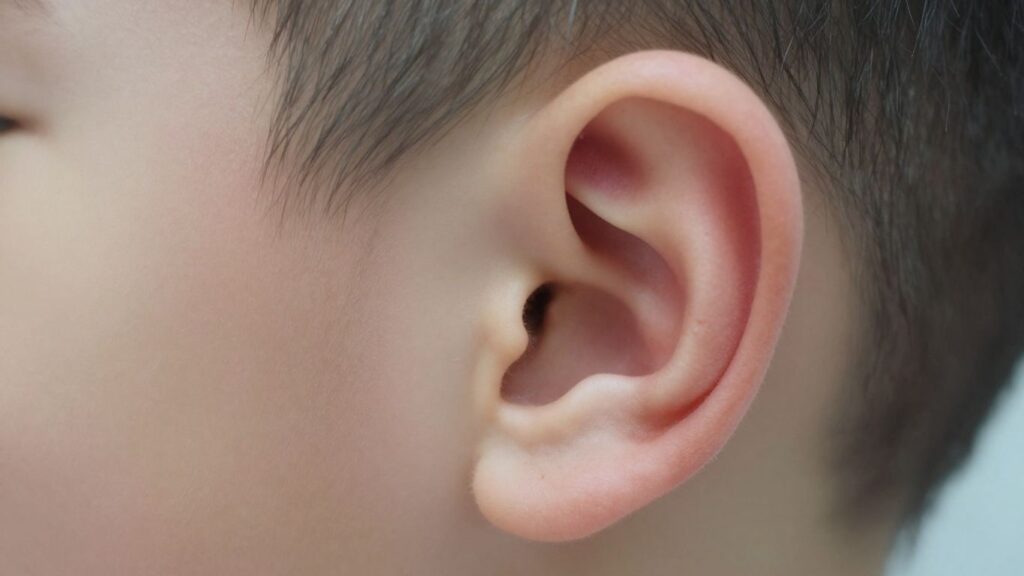
So, you’re dealing with ear infections that just won’t quit. It’s frustrating, right? Unlike those quick, one-off infections, chronic otitis media (COM) is a persistent problem. It often stems from issues with the Eustachian tube, that little passageway connecting your middle ear to the back of your throat. When this tube gets blocked or doesn’t work right, fluid can build up in the middle ear. This fluid is a perfect breeding ground for bacteria and viruses, leading to ongoing infections.
Underlying Factors and Risk Factors
Several things can mess with your Eustachian tube function and make you more prone to these stubborn infections. For kids, their Eustachian tubes are smaller and more horizontal, which naturally makes drainage a bit trickier. Things like colds, sinus infections, and allergies can cause swelling that blocks the tubes. Even overgrown adenoids, those little bits of tissue at the back of your throat, can get in the way.
For adults, while the anatomy is different, similar issues can arise. Persistent ear pain in adults, often accompanied by ear discharge and hearing loss, can signal a chronic problem. Smoking is a big one; it irritates and damages the delicate tissues in your nose and throat, making it harder for your Eustachian tubes to function properly. Exposure to secondhand smoke is also a major risk factor, especially for children.
Here’s a look at some common culprits:
- Frequent colds or sinus infections: These cause inflammation that can block the Eustachian tubes.
- Allergies: Similar to colds, allergies can lead to swelling and congestion.
- Enlarged adenoids: In children, these can physically obstruct the Eustachian tube opening.
- Smoking or exposure to smoke: This irritates the lining of the airways and can impair tube function.
- History of recurrent middle ear infection: If you’ve had many infections in the past, your ear structures might be more susceptible.
- Poor Eustachian tube function: Sometimes, it’s just how the tubes are built, making them prone to blockage.
It’s important to remember that sometimes, despite our best efforts to prevent them, chronic ear infections can still develop. The key is recognizing the signs and seeking appropriate medical advice to manage the condition and prevent further complications.
If you’re struggling with persistent ear issues, it might be time to consult with an ENT specialist. They can help figure out exactly what’s going on and discuss treatment options, which might include things like medications or even surgery if necessary.
Diagnosis: How Doctors Identify COM
So, you’ve been dealing with ear issues that just won’t quit. Figuring out if it’s chronic otitis media, or COM, usually involves a few steps. Your doctor, often an ENT specialist, will start by asking you a bunch of questions about your symptoms – how long has this been going on, what does it feel like, any drainage, hearing changes? They’ll want the whole story.
Then comes the physical exam. The main tool here is an otoscope, which is basically a light and magnifying tool to look inside your ear. This allows them to see the condition of your ear canal and, most importantly, your eardrum. They’re looking for signs of ongoing inflammation, fluid buildup behind the eardrum, or any damage to the eardrum itself. Sometimes, the ear canal might be swollen or filled with gunk, making it tough to see clearly.
Depending on what they see, they might do a few more tests:
- Tympanometry: This test checks how your eardrum moves. It helps figure out if there’s fluid in the middle ear, which is a common sign of COM.
- Hearing Test (Audiometry): Since hearing loss is a big symptom of COM, a hearing test is pretty standard. An audiologist can measure the extent of any hearing impairment.
- Cultures: If there’s drainage, the doctor might take a sample to send to a lab. This helps identify the specific type of bacteria or fungus causing the infection, which is super helpful for picking the right medication.
- Imaging: In some cases, especially if surgery is being considered or if there’s concern about the infection spreading, an X-ray, CT scan, or MRI might be ordered. These give a more detailed look at the structures within and around the ear.
It’s not uncommon for people to have tried various treatments before getting a definitive COM diagnosis. The persistent nature of the symptoms is often what prompts a deeper investigation beyond the usual quick fixes.
Getting a clear diagnosis is the first big step toward getting this sorted out. It helps the doctor figure out the best plan, whether that’s medication, a procedure, or a combination of things. If you’re struggling with ongoing ear problems, don’t hesitate to seek out a specialist, like those found at a clinic focused on ear, nose, and throat care.
Treatment Options for Chronic Otitis Media
Dealing with chronic ear infections can feel like a never-ending battle, but thankfully, there are several ways to tackle them. The approach really depends on what’s causing the infection and how severe it is. Sometimes, it’s a matter of getting the right medication, and other times, a bit more intervention is needed.
Medical Treatments and Medications
When it comes to medical treatments, the goal is usually to clear out the infection and reduce inflammation. For chronic ear infections, especially those that keep coming back or don’t respond to initial treatments, doctors often turn to specific medications. Topical treatments are frequently favored because they can deliver the medicine directly to the affected area. Topical quinolones are often the go-to choice for chronic suppurative otitis media, offering a good way to fight the infection while minimizing side effects compared to some other options.
Here’s a look at common medical approaches:
- Antibiotic Ear Drops: These are a staple. They’re designed to get right into the ear canal and middle ear space to kill bacteria. The type of antibiotic will depend on the specific germ causing the infection.
- Oral Antibiotics: While topical treatments are often preferred for chronic cases, oral antibiotics might still be used, especially if there’s a lot of swelling or the infection seems to be spreading. However, long-term use can sometimes lead to other issues, so doctors try to be strategic.
- Steroid Drops: Sometimes, inflammation is a big part of the problem. Steroid ear drops can be prescribed alongside antibiotics to help calm down swelling and irritation in the ear canal and middle ear.
- Antifungal Treatments: If a fungal infection is identified as the culprit, specific antifungal ear drops or solutions will be used.
It’s really important to use these medications exactly as prescribed. Stopping early or not using the full course, even if your ear feels better, can allow the infection to come back stronger.
Surgical Interventions
If medical treatments aren’t cutting it, or if there are structural issues contributing to the chronic infections, surgery might be the next step. These procedures aim to improve drainage, ventilation, or repair damage.
- Tympanostomy Tubes (Ear Tubes): This is a very common procedure, especially for kids, but it’s used in adults too. Tiny tubes are inserted into the eardrum to create a small opening. This allows fluid to drain from the middle ear into the ear canal and also helps ventilate the middle ear space. Tubes usually stay in for several months to a year before falling out on their own. They don’t cure the infection itself but help prevent fluid buildup and make it easier for topical treatments to reach the middle ear.
- Myringoplasty: This surgery is done to repair a hole or perforation in the eardrum. A small piece of tissue is used to patch the hole, which can help prevent infections from entering the middle ear.
- Tympanomastoidectomy: This is a more involved surgery that might be necessary for severe chronic infections, especially if the infection has spread into the mastoid bone behind the ear. It involves cleaning out infected tissue and bone, and often reconstructing parts of the middle ear and eardrum. Sometimes, adenoids and tonsils might be removed if they are thought to be contributing to Eustachian tube dysfunction, though this is more common in children. For some very severe cases, procedures like ear canal removal might be considered as a last resort, though this is quite rare.
Living with Chronic Ear Infections: Prevention and Management
Dealing with chronic ear infections means you’re in for the long haul, and it’s not just about popping pills when things flare up. It’s about a consistent approach to managing ongoing ear infections and trying to keep them from coming back. This often involves a few key strategies.
First off, keeping things dry is a big deal. If you’re prone to infections, especially after swimming or showering, consider using earplugs. For swimmers, specifically, making sure any water that does get in is dried out properly can make a difference. Sometimes, simple things like using a hairdryer on a low setting, held at a distance, can help.
Smoking is another factor that can really mess with your ears. If you smoke, quitting is one of the best things you can do for your overall health, including your ears. The irritation and damage to the tissues in your nose and throat can make your ears more vulnerable. It’s tough, but worth it.
Here are some general tips for managing things:
- Regular Check-ups: Don’t skip your appointments with your doctor or an ENT specialist. They can monitor your condition and adjust treatment plans as needed.
- Hygiene: Keep your ears clean, but avoid sticking things deep into the ear canal. Gentle cleaning around the outer ear is usually sufficient.
- Allergy Management: If allergies are a trigger, working with your doctor to manage them can reduce inflammation that might contribute to ear issues.
- Listen to Your Body: Pay attention to early signs of infection, like increased pain or discharge, and address them promptly.
Sometimes, even with the best prevention, infections happen. It’s important to have a plan for when symptoms return, including knowing when to contact your doctor for a potential adjustment in your long term ear infection treatment.
For some individuals, especially children, surgical options like getting ear tubes might be recommended by an ENT specialist. These tiny tubes help fluid drain from the middle ear, which can significantly reduce the frequency of infections. While they don’t cure the infection itself, they can make a big difference in managing the problem and preventing complications. Remember, consistent care and working closely with your healthcare provider are your best allies in managing ongoing ear infections.
Wrapping Up the Ear Infection Battle
So, dealing with those stubborn ear infections can really be a drag, for both kids and adults. We’ve talked about why they happen, from tiny ear canals in kids to allergies and even smoking in adults. Remember, it’s not always about just antibiotics. Sometimes, managing pain with things like ibuprofen and keeping nasal passages clear can make a big difference. If things don’t get better after a few days, or if they keep coming back, it’s definitely time to see a doctor, maybe even an ear, nose, and throat specialist. They can look at options like ear tubes if infections are super frequent. Don’t give up – finding the right approach can bring some much-needed relief.
Frequently Asked Questions
What is chronic otitis media?
Chronic otitis media, or COM, is a long-lasting ear infection. It’s different from the common ear infections kids get, which usually clear up with treatment. COM means the infection in the middle ear, the space behind your eardrum, keeps coming back or doesn’t go away completely.
What causes chronic ear infections?
COM can happen for a few reasons. Sometimes, it’s because the tube that connects your ear to the back of your throat (the Eustachian tube) doesn’t work right, maybe due to allergies or swelling. Other times, it can be caused by bacteria or viruses that just won’t leave, or even damage to the eardrum. Things like frequent colds, smoking, or even certain birth defects can make you more likely to get COM.
What are the signs of chronic otitis media?
You might notice ongoing ear drainage, hearing loss, or a feeling of fullness in your ear. Sometimes, there’s ear pain, but not always. If you have trouble hearing, your ear keeps draining, or you just feel like something’s not right with your ear for a long time, it’s worth getting checked out.
How do doctors figure out if I have COM?
Doctors use a few tools to diagnose COM. They’ll look in your ear with a special light to see your eardrum and check for fluid or damage. They might also do a hearing test to see how well you’re hearing. Sometimes, they might take a sample of the drainage to see what kind of germ is causing the infection.
What are the treatment options for COM?
Treatment depends on what’s causing the COM. It can include antibiotic ear drops or pills to fight infection. If there’s a lot of fluid or the eardrum is damaged, doctors might suggest surgery to put in tiny tubes to help fluid drain out or to repair the eardrum. Sometimes, treating allergies or other underlying issues is also important.
Can chronic ear infections cause long-term problems?
Yes, if left untreated, COM can lead to more serious issues. This can include permanent hearing loss, damage to the ear bones, or even the infection spreading to other parts of your head. It’s really important to get it checked and treated to prevent these problems and keep your hearing and overall ear health in good shape.