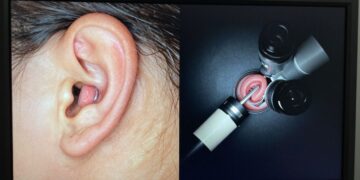



Newborn hearing screening programs are crucial for the early detection and intervention of hearing loss in infants. These programs, implemented shortly after birth, play a vital role in ensuring that children with hearing impairments receive timely support, which is critical for their speech, language, and overall development. Early diagnosis and treatment can significantly improve a child’s quality of life and developmental outcomes.
Key Takeaways
- Universal newborn hearing screenings are recommended within the first month of a baby’s life.
- Infants who do not pass the initial screening should undergo diagnostic evaluation by three months of age.
- Early intervention, ideally by six months, is essential for optimal speech and language development.
- Hearing loss can be congenital or acquired, with genetic factors and infections being common causes.
- Early detection and treatment can prevent significant developmental delays and improve social and academic success.
The Importance of Early Detection
Early detection of hearing loss in newborns is paramount. When hearing loss is identified and addressed within the first six months of life, children have a significantly better chance of developing speech and language skills comparable to their hearing peers. Without early intervention, hearing loss can impede a child’s ability to learn, communicate, and socialize, potentially leading to academic and emotional challenges.
Causes and Types of Hearing Loss
Hearing loss in children can stem from various causes, including genetic factors, infections like cytomegalovirus (CMV), premature birth, and physical abnormalities of the ear. There are three main types:
- Conductive Hearing Loss: Occurs when sound cannot travel through the outer and middle ear, often due to ear infections or earwax buildup.
- Sensorineural Hearing Loss: Affects the inner ear or auditory nerve and can be caused by genetics, infections, or noise exposure.
- Mixed Hearing Loss: A combination of both conductive and sensorineural types.
Screening and Intervention Process
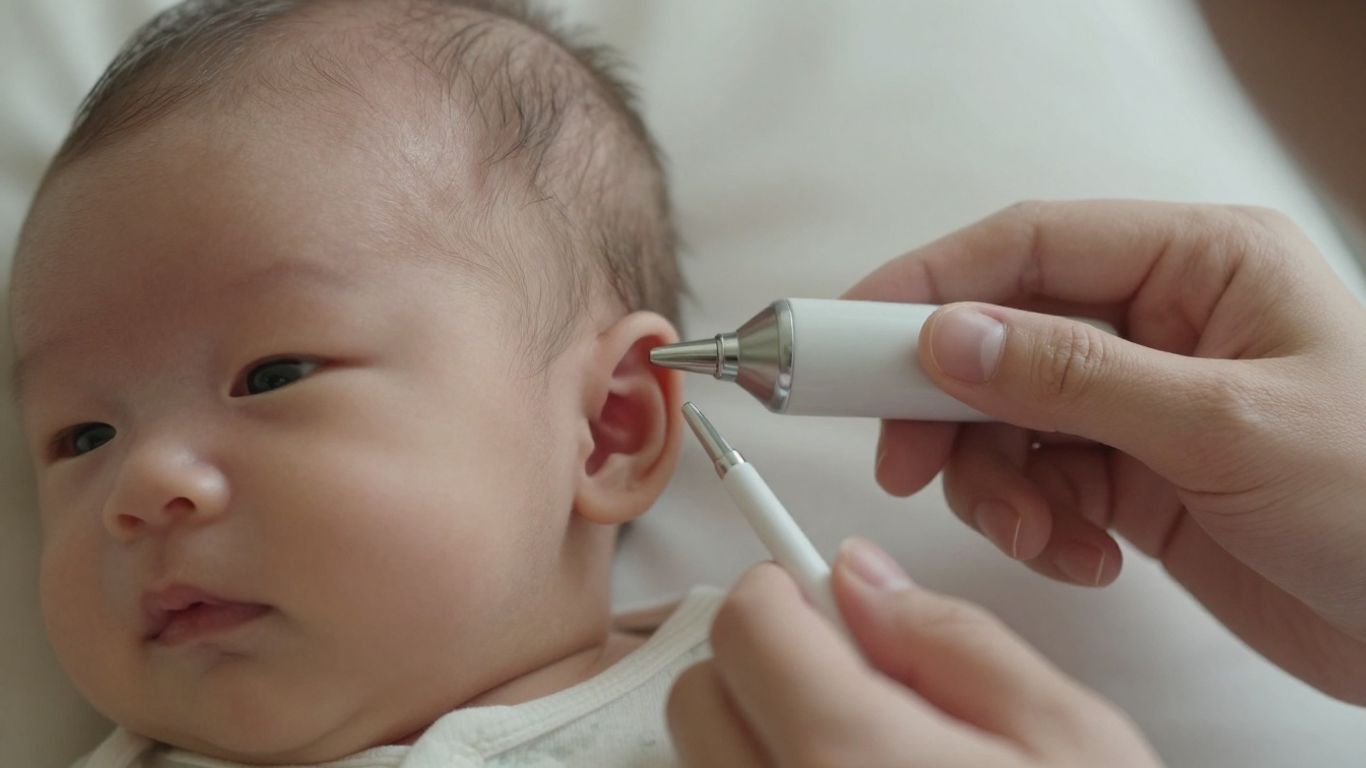
Newborn hearing screenings typically involve non-invasive tests like otoacoustic emissions (OAEs) or auditory brainstem response (ABR) testing. These tests are designed to assess how the baby’s ear and brain respond to sound. The widely adopted “1-3-6 rule” guides the process: screening by one month, diagnostic evaluation by three months, and intervention by six months for infants diagnosed with permanent hearing loss.
Signs and Symptoms in Older Children
While newborn screenings are crucial, parents should also be aware of potential signs of hearing loss in older children. These can include not responding to their name, frequently asking for repetition, speaking with an altered voice, or watching television at a high volume. If any concerns arise, consulting a pediatrician for a hearing evaluation is recommended.
Treatment Options
Treatment for hearing loss varies depending on the type and severity. Options may include:
- Hearing Aids: Amplify sounds to improve hearing.
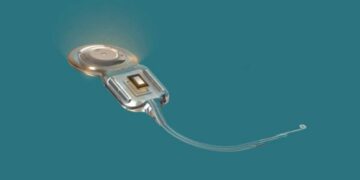
- Cochlear Implants: Electronic devices surgically implanted to stimulate the auditory nerve.
- Ear Tubes: To address conductive hearing loss caused by recurrent ear infections.
- Speech and Language Therapy: To support communication development.
Addressing Challenges in Screening Programs
Despite the benefits, newborn hearing screening programs face challenges, including ensuring consistent follow-up for infants who do not pass initial screenings. Maintaining accurate databases and having dedicated coordinators are essential to minimize losses to follow-up and ensure all children receive the necessary care.
Conclusion
Newborn hearing screening programs are a critical public health initiative. By prioritizing early detection and intervention, these programs empower children with hearing loss to achieve their full developmental potential, ensuring they can hear, learn, and thrive.
Sources
- Newborn hearing test program, SpHear Speech and Hearing Clinics, New Delhi
- Newborn screening makes a ‘world of difference’, BBC.
- Hearing Loss in Children: Early Detection and Treatment, University of Utah Health.
- Hearing Loss in Children | Mass General Brigham, Mass General Brigham.
- Hearing Loss in Children: Causes and Solutions, Cleveland Clinic Health Essentials.
- Results from 10-year newborn hearing screening in a secondary hospital, Anales de Pediatría.