


Vitamin D, often called the “sunshine vitamin,” plays a crucial role in bone health, immunity, and overall well-being. However, many people don’t get enough, especially during months with limited sunlight. Dietitians recommend incorporating specific foods into your diet to ensure adequate intake of this essential nutrient.
Key Takeaways
- Fatty fish, UV-exposed mushrooms, and eggs are excellent natural sources of Vitamin D.
- Fortified foods and drinks can significantly contribute to daily intake.
- Vitamin D is vital for calcium absorption, immune function, and more.
Why Vitamin D Matters
Vitamin D is indispensable for the body’s absorption of calcium and phosphorus, which are critical for maintaining strong bones and preventing conditions like osteoporosis. Beyond bone health, vitamin D receptors are found throughout the body, indicating its involvement in immune function, metabolic processes, and even neurological protection. Despite its importance, a significant portion of the global population has insufficient levels, making dietary sources increasingly vital.
Top Food Sources of Vitamin D
While sunlight is the body’s primary source of vitamin D, dietary intake becomes crucial when sun exposure is limited. Dietitians highlight several foods that are particularly rich in this nutrient:
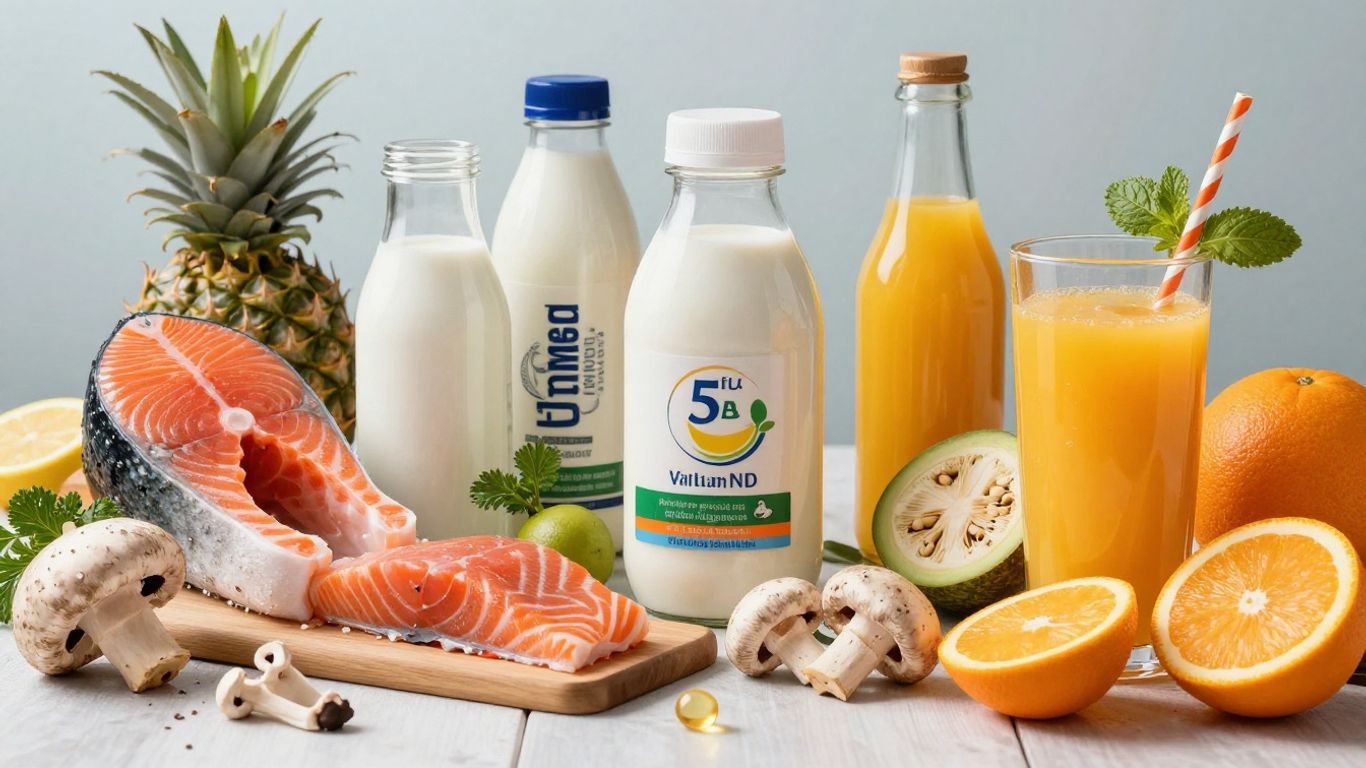
- Fatty Fish: Salmon, rainbow trout, sardines, and herring are among the best natural sources. For instance, a serving of wild-caught salmon can provide over half of the daily recommended amount. Rainbow trout offers about 540 IU (13.5 mcg) per 3-ounce serving.
- Cod Liver Oil: A potent supplement, a teaspoon of cod liver oil provides around 450 IU (11.2 mcg) of vitamin D, along with vitamins A and omega-3 fatty acids.
- Canned Tuna: A convenient source, 3 ounces of canned tuna can offer about 229 IU (5.7 mcg) of vitamin D.
- Mushrooms: Specifically, mushrooms grown under UV light or exposed to sunlight after harvesting can be a good source. The vitamin D content can vary significantly based on exposure.
- Eggs: The yolk of an egg contains a modest amount of vitamin D, contributing to overall intake when consumed regularly.
Fortified Foods and Drinks
Many processed foods and beverages are fortified with vitamin D, making them accessible ways to boost intake:
- Fortified Soy Milk: A cup of fortified soy milk can provide 100-144 IU (2.5–3.6 mcg) of vitamin D.
- Fortified Cereals: Some breakfast cereals are fortified, with a serving offering around 80 IU (2 mcg).
- Fortified Cow’s Milk: A cup of fortified 2% milk typically contains about 120 IU (2.9 mcg).
- Fortified Orange Juice: An 8-ounce glass of fortified orange juice can provide about 15% of the daily value.
- Fortified Cheese and Tofu: Certain varieties of cheese and tofu are also fortified with vitamin D.
Who Might Need More Vitamin D?
Individuals who may benefit from increased vitamin D intake or supplementation include older adults, those with darker skin tones, people with limited sun exposure (e.g., indoor workers), individuals on strictly plant-based diets, and those with medical conditions affecting fat absorption. Consulting with a healthcare professional is recommended to determine individual needs.
Sources
- 6 Foods High in Vitamin D Besides Mushrooms, Health: Trusted and Empathetic Health and Wellness Information.
- 5 ways to get more vitamin D from your diet, The Washington Post.
- Dietitians Share 18 Foods High in Vitamin D to Add to Your Plate, Prevention.
- Foods High in Vitamin D: Why This Nutrient Matters, ZOE.