



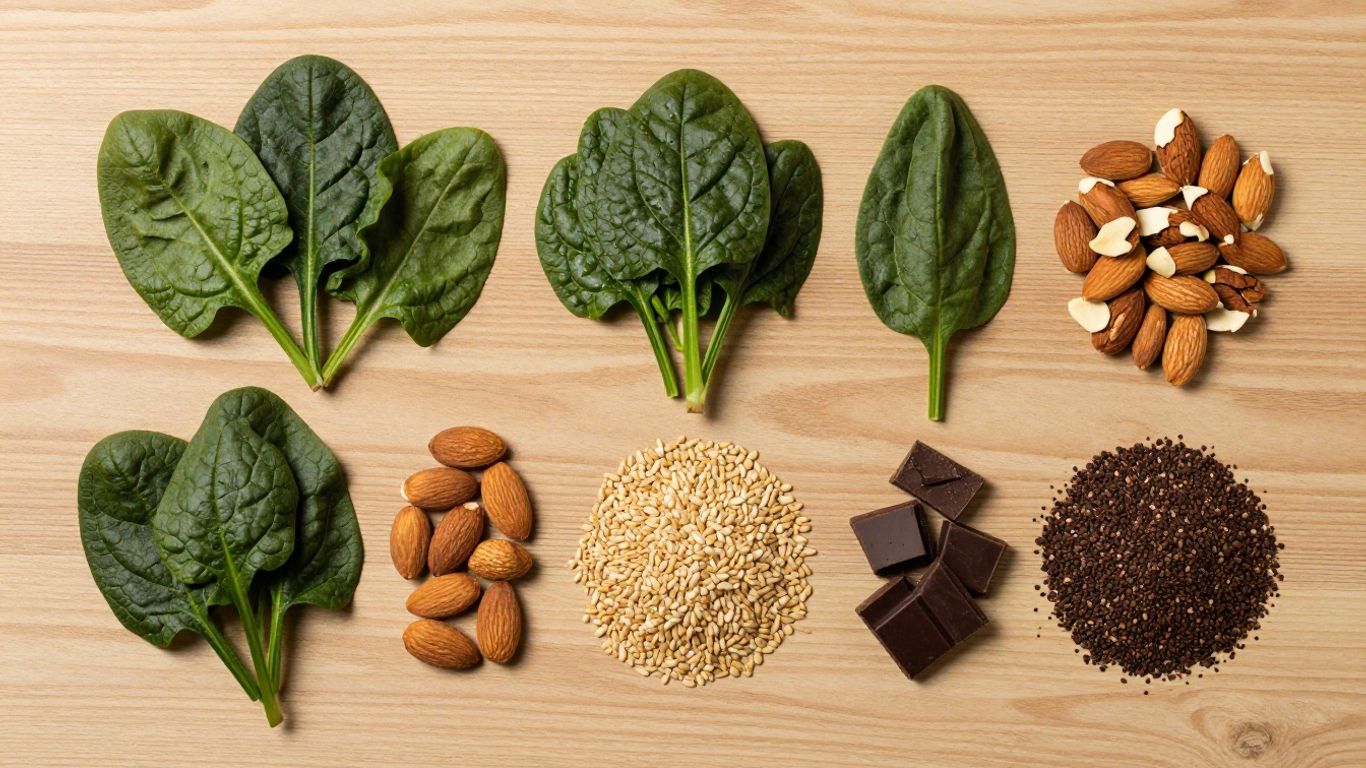
Magnesium, a vital mineral, plays a crucial role in over 300 bodily functions, from muscle and nerve activity to blood sugar regulation and bone health. Despite its importance, many adults don’t consume enough magnesium daily. Fortunately, incorporating a variety of nutrient-dense foods into your diet can help bridge this gap and support overall well-being.
Key Takeaways
- Magnesium is essential for numerous bodily functions, including muscle and nerve function, energy production, and bone health.
- Many adults do not meet the recommended daily intake of magnesium.
- A balanced diet rich in whole grains, nuts, seeds, legumes, and leafy greens is the best way to ensure adequate magnesium intake.
- Certain groups, such as older adults and individuals with specific health conditions, may be at higher risk for deficiency.
Why Magnesium Matters
Magnesium is fundamental for maintaining healthy nerve and muscle function, supporting protein synthesis, and regulating blood pressure and blood sugar levels. It also contributes to bone strength and may play a role in mood regulation and sleep quality. Low magnesium levels have been linked to various health issues, including heart disease, type 2 diabetes, and fatigue.
Top Magnesium-Rich Foods
Incorporating these foods into your diet can significantly boost your magnesium intake:
- Seeds: Pumpkin seeds, chia seeds, flax seeds
- Nuts: Almonds, cashews, Brazil nuts
- Leafy Greens: Spinach, Swiss chard, kale
- Legumes: Black beans, kidney beans, edamame, lentils
- Whole Grains: Brown rice, oatmeal, quinoa, amaranth
- Fruits: Avocados, bananas
- Other: Dark chocolate, potatoes, salmon, tofu, fortified cereals
Recommended Daily Intake and Deficiency
The recommended daily allowance (RDA) for magnesium varies by age and sex, generally ranging from 310-420 mg for adults. Signs of deficiency can include fatigue, muscle cramps, nausea, and abnormal heart rhythms. Older adults, individuals with gastrointestinal conditions, those with type 2 diabetes, and people who consume excessive alcohol may be at a higher risk of deficiency.
Supplements vs. Diet
While magnesium supplements are available, most people can meet their needs through a balanced diet. Supplements should only be considered under medical guidance, especially for individuals with kidney disease. It is difficult to consume too much magnesium from food alone, but excessive intake from supplements can lead to adverse effects.
Sources
- 13 Foods That Are High in Magnesium, GoodRx.
- Top Sources, Benefits & Daily Requirements, Metropolis Healthcare.
- The 13 best magnesium-rich foods to add to your diet, Vogue India.
- 13 Magnesium-Rich Foods to Help Support Sleep Quality, Bone Health, and More, Health: Trusted and Empathetic Health and Wellness Information.
- 10 Foods High in Magnesium for Better Sleep and Bone Strength, SELF Magazine.