



Zinc, a vital mineral, plays a crucial role in numerous bodily functions, from immune support to wound healing. While most individuals can obtain sufficient zinc through diet, supplements offer a convenient way to address deficiencies or support specific health goals. This guide explores the benefits, proper usage, and potential considerations of zinc supplementation.
Key Takeaways
- Zinc is essential for immune function, hormone production, and overall health.
- Supplements can help manage zinc deficiency, potentially shorten colds, and improve skin health.
- Timing and dosage are crucial to maximize benefits and minimize side effects.
- Interactions with certain medications and other supplements are possible.
Understanding Zinc’s Role in Your Body
Zinc is indispensable for cell division, protein creation, and growth, making it vital throughout life. It supports immune function by aiding in the development and activation of immune cells and helps maintain the integrity of skin and mucous membranes as a barrier against pathogens. Additionally, zinc plays a role in wound healing, blood sugar management, and may contribute to eye and heart health.
Potential Benefits of Zinc Supplementation
- Managing Zinc Deficiency: Individuals with restrictive diets (like vegans or vegetarians), gastrointestinal disorders, or those who are pregnant or breastfeeding may be at higher risk for deficiency. Symptoms can include decreased immunity, hair loss, poor appetite, diarrhea, and slow wound healing.
- Combating Colds: Some research suggests that taking zinc lozenges at the first sign of a cold may reduce its duration and severity.
- Improving Skin Health: Zinc supplements, particularly zinc sulfate, have shown promise in reducing inflammation and bacteria associated with acne, potentially offering a low-cost treatment option.
- Supporting Eye Health: Supplements containing zinc and antioxidants may help delay the progression of age-related macular degeneration (AMD).
- Blood Sugar Regulation: Zinc is involved in insulin secretion and sensitivity, potentially aiding in blood sugar management and reducing the risk of type 2 diabetes.
Dosage and Timing Considerations
The recommended daily intake of zinc varies by age and sex, with adults generally needing 8-11 mg per day. While dietary sources are preferred, supplements are available in various forms like zinc gluconate, acetate, sulfate, and picolinate.
- For Colds: Take zinc at the first signs of symptoms.
- For Immune Support: Taking zinc on an empty stomach in the morning may enhance absorption.
- General Use: Consistency is key for long-term immune support. Taking zinc with food can help mitigate nausea if it occurs on an empty stomach.
Potential Risks and Interactions
While generally safe when taken as directed, exceeding the tolerable upper intake level (UL) of 40 mg per day for adults can lead to side effects such as abdominal pain, diarrhea, nausea, vomiting, headaches, and a weakened immune response. Long-term excessive intake can also interfere with copper absorption, potentially leading to a copper deficiency.
Zinc supplements can interact with certain medications, including antibiotics (quinolone and tetracycline), penicillamine, and HIV medications, potentially reducing their absorption and effectiveness. It’s advisable to take zinc supplements at least two hours apart from these medications. Additionally, iron and calcium supplements can reduce zinc absorption, so spacing them out is recommended.
Dietary Sources of Zinc
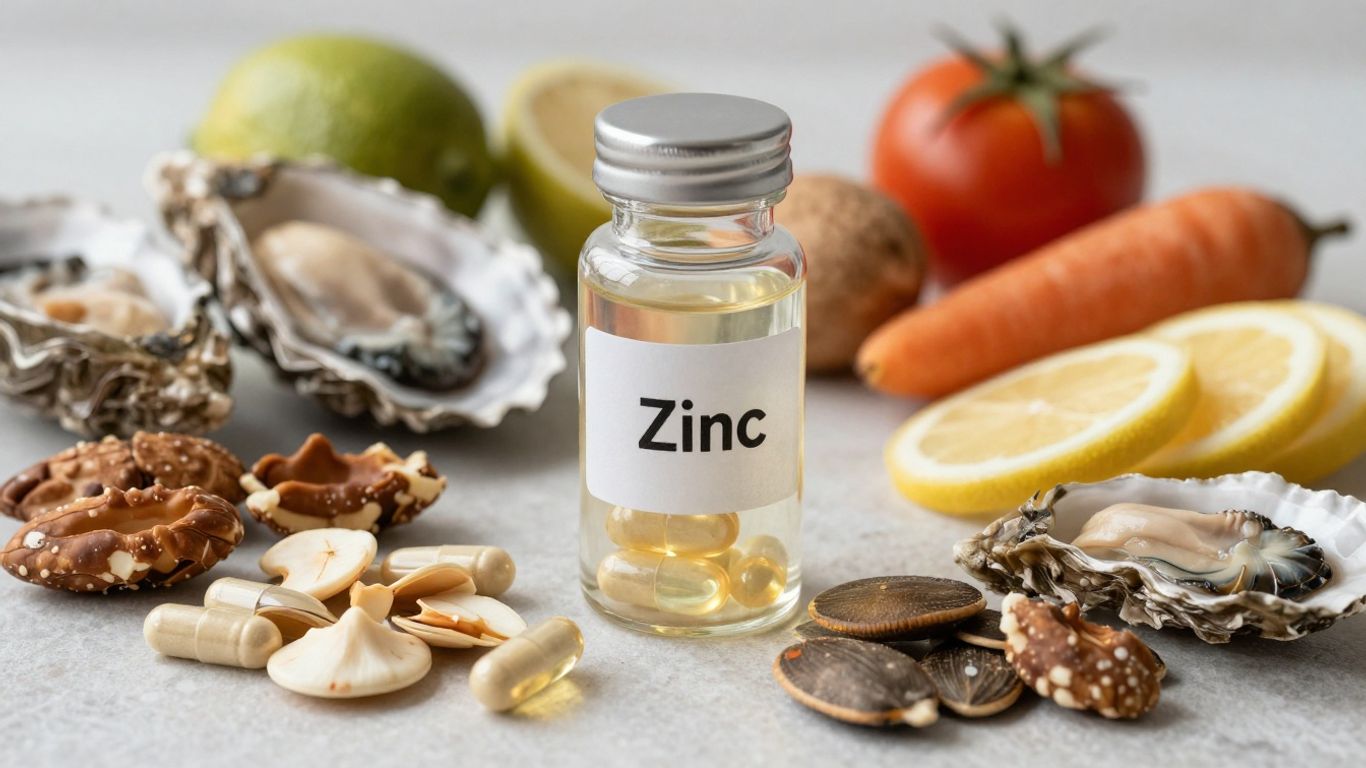
Rich dietary sources of zinc include oysters, beef, pork, turkey breast, pumpkin seeds, lentils, kidney beans, eggs, dairy products, and fortified cereals. A balanced diet is the most effective way to ensure adequate zinc intake.
When to Consult a Healthcare Provider
Before starting zinc supplements, especially if you have underlying health conditions, are pregnant or breastfeeding, or are taking other medications, consult with a healthcare provider. They can help determine the appropriate dosage, form, and timing to meet your individual needs and avoid potential interactions.
Sources
- What Happens to Your Body When You Take Zinc Supplements, Health: Trusted and Empathetic Health and Wellness Information.
- Best Time to Take Zinc for Immune Support, Science Says, Verywell Health.
- Should You Take Copper and Zinc Supplements Together?, Health: Trusted and Empathetic Health and Wellness Information.
- Benefits, Dosage, and Side Effects, Healthline.