



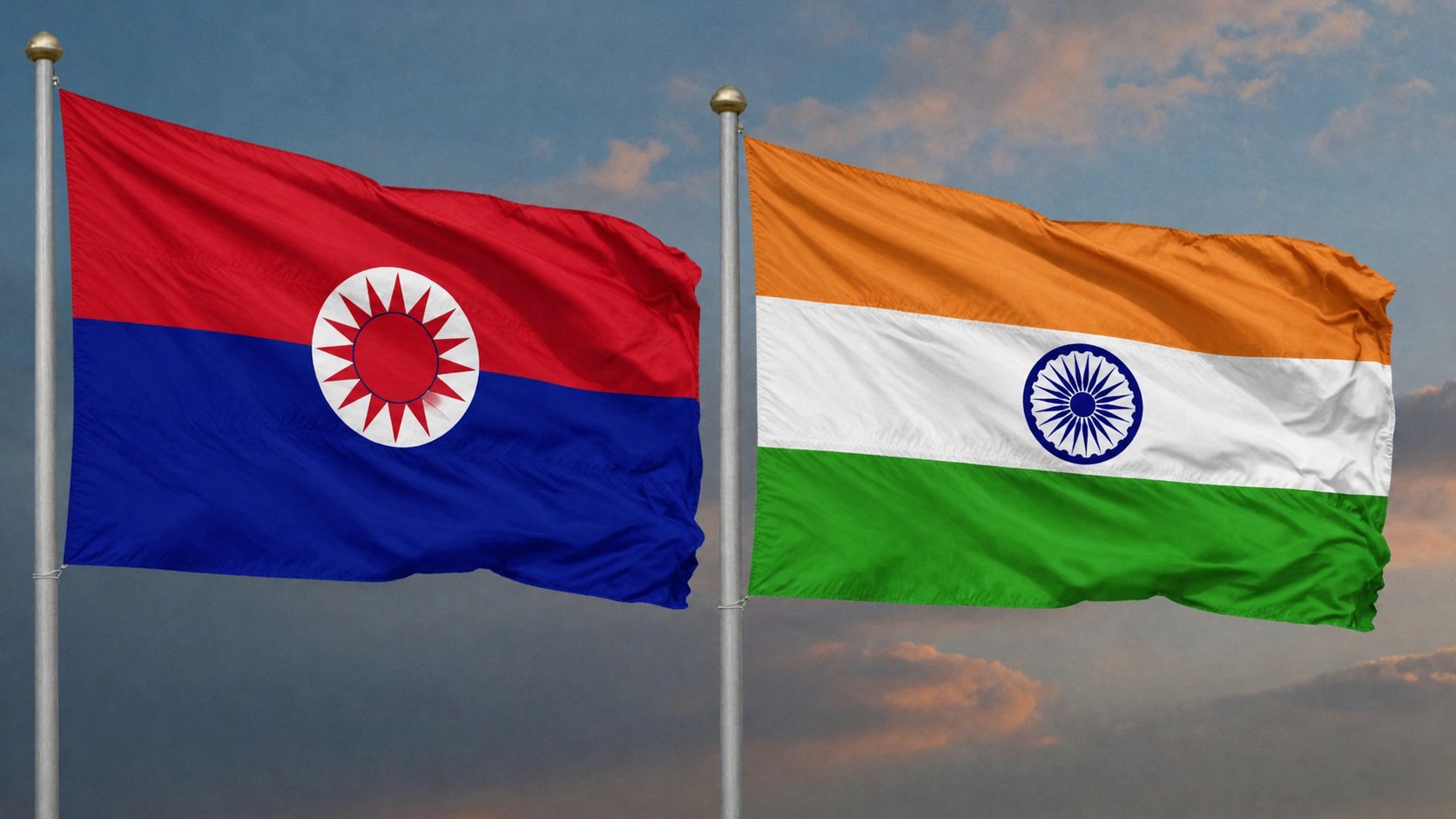
A recent political controversy in Taiwan, sparked by a local candidate’s promise to “ban Indians,” has ignited concerns about rising anti-India sentiment. While the incident has drawn criticism for its racial undertones, experts suggest the rhetoric is largely a tactic for upcoming local elections, aimed at leveraging domestic political divisions and potentially gaining favor with China.
Key Takeaways
- A Kaohsiung ward chief’s billboard campaign against Indian migrant workers has led to accusations of racism.
- Political analysts believe the anti-India stance is primarily an election strategy rather than a reflection of broader public opinion.
- The opposition Kuomintang (KMT) party is reportedly using the India-Taiwan labor agreement as a political tool.
- Some experts suggest this opposition could be an attempt to curry favor with the Communist Party of China (CPC).
- Despite the political noise, substantive cooperation between India and Taiwan faces challenges primarily due to bureaucratic hurdles.
Political Rhetoric Fuels Controversy
The controversy began when Kaohsiung-based ward chief Lee Hung-yi, an independent candidate for the city council election, displayed a billboard featuring prohibition symbols over the Indian flag and a turbaned man. Lee stated his opposition was specifically to Taiwan’s plan to admit migrant workers from India, not to migrant labor in general. This display was met with outrage from Indians residing in Taiwan and condemnation from political figures and researchers, who decried it as blatant racial discrimination.
Election Politics at Play
Taiwanese experts argue that the anti-India rhetoric is less about genuine animosity towards Indians and more about domestic political messaging ahead of local elections. Sana Hashmi, a Taiwan expert, explained that the opposition to the India-Taiwan labor agreement has become a political tool for parties like the Kuomintang (KMT). The KMT, seeking to regain power, is reportedly using the issue to gain leverage in the upcoming elections. Furthermore, Hashmi suggests that opposing closer India-Taiwan ties could be an attempt by some political actors to gain favor with the Communist Party of China (CPC), which is known to oppose such engagements.
The India-Taiwan Labor Agreement
Taiwan has been in discussions to bring Indian workers into sectors facing labor shortages, such as manufacturing, agriculture, and caregiving. An initial batch of around 1,000 Indian workers was anticipated to arrive within the year, pending the finalization of administrative procedures between Taipei and New Delhi. However, the labor mobility agreement has encountered resistance from segments of Taiwan’s opposition, particularly the KMT, despite earlier support during parliamentary consultations. Experts note that this opposition appears more driven by election cycles than a fundamental breakdown in India-Taiwan relations.
Deeper Challenges in Bilateral Ties
Beyond the immediate political controversies, analysts point out that the broader India-Taiwan relationship faces challenges related to the slow pace of cooperation. While frameworks for cooperation in areas like marine issues, cyber dialogue, and investment exist, bureaucratic and diplomatic hindrances often slow down progress. Anushka Saxena, a staff research analyst, believes these structural issues are the more significant obstacles to closer ties, rather than isolated political protests or immigration debates.
Sources
- Why is anti-India racism on the rise in Taiwan? Political candidate promises to ban Indian workers – Asia
News Network, Asia News Network. - ‘A political tool to get Chinese brownie points’: Taiwan experts on opposition to India – Firstpost, Firstpost.





![[Vijay]'s party rally - Crowd cheers for the new political force.](https://justpicked.in/storage/2026/05/Vijays-party-rally-Crowd-cheers-for-the-new-political-force-360x180.jpeg "Vijays party rally - Crowd cheers for the new political force | JustPicked")
