


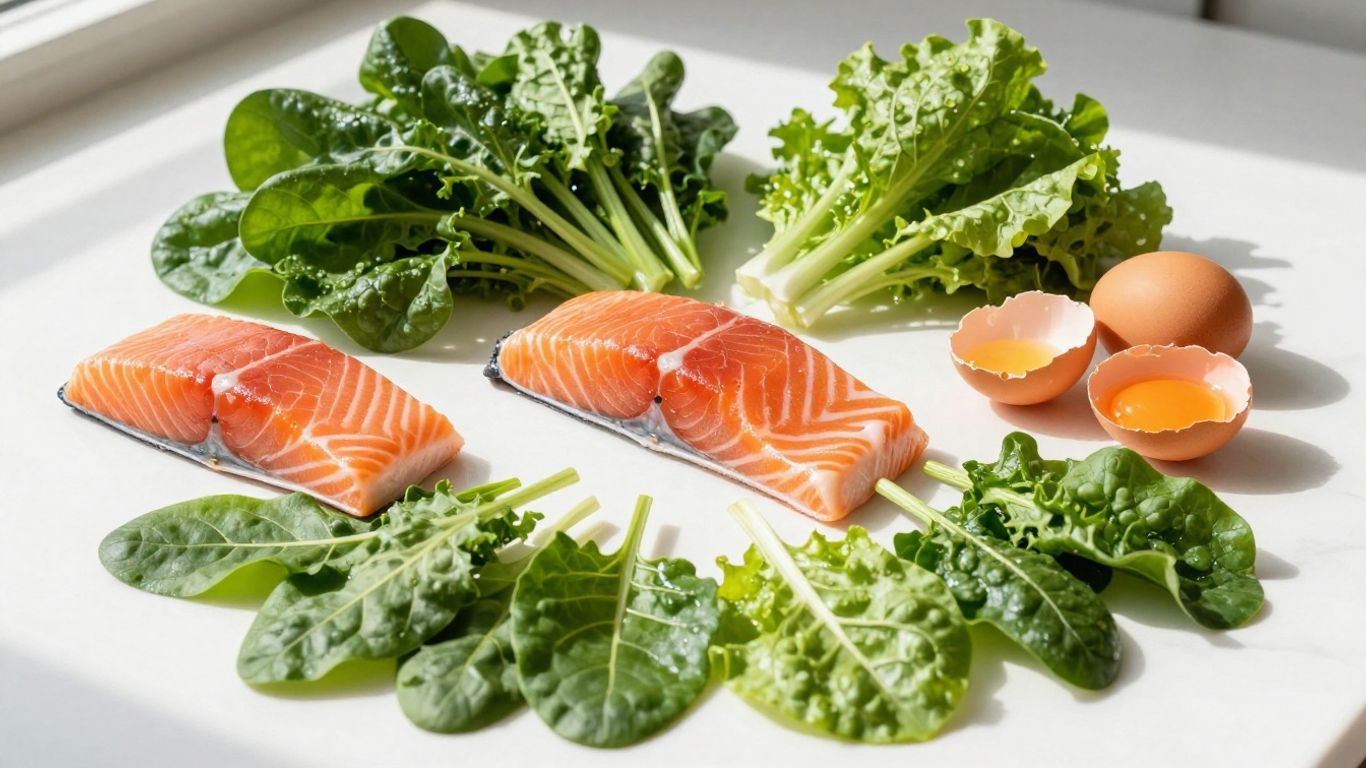
Feeling sluggish or concerned about cognitive function? Vitamin B12, an essential nutrient your body can’t produce, plays a crucial role in energy production, red blood cell formation, and nervous system health. Ensuring adequate intake is key, and fortunately, many delicious foods can help you meet your daily needs.
Key Takeaways
- Vitamin B12 is vital for energy, brain health, and DNA synthesis.
- Animal products are the primary natural sources, but fortified foods are available.
- Shellfish, organ meats, fatty fish, dairy, and eggs are excellent sources.
- Vegetarians and vegans may need fortified foods or supplements.
Why Vitamin B12 Matters
Vitamin B12, also known as cobalamin, is indispensable for numerous bodily functions. It’s critical for creating DNA, producing red blood cells, and maintaining the health of your nervous system, including the myelin sheath that insulates nerve fibers. While it doesn’t directly boost energy, it aids in converting food into usable energy.
Top Food Sources for Vitamin B12
Vitamin B12 is synthesized by microorganisms and accumulates in animal tissues. Therefore, animal-based foods are the richest natural sources.
- Shellfish and Organ Meats: Clams, oysters, mussels, and beef liver are exceptionally high in B12. A 3-ounce serving of cooked clams can provide over 700% of the daily recommended intake.
- Fatty Fish: Salmon and trout are excellent sources, offering a good amount of B12 along with heart-healthy omega-3 fatty acids that support brain health.
- Dairy Products: Milk, yogurt, and cheese, particularly hard cheeses like Swiss and cheddar, provide significant amounts of B12. Dairy B12 is noted for its high bioavailability.
- Eggs: A readily available source, eggs contribute to your daily B12 intake.
- Meat: Beef and poultry, such as chicken and turkey breast, also contain vitamin B12.
Options for Vegetarians and Vegans
Since plant-based foods do not naturally contain vitamin B12, vegetarians and vegans must rely on fortified options or supplements.
- Fortified Nutritional Yeast: This deactivated yeast has a cheesy, nutty flavor and is a popular vegan choice, often providing a substantial amount of B12 per serving.
- Fortified Cereals and Plant-Based Milks: Many breakfast cereals and plant-based milk alternatives (soy, almond, rice) are fortified with vitamin B12, making them valuable additions to a plant-based diet.
- Fortified Tofu: Some tofu products are fortified with vitamin B12.
Recommended Intake and Deficiency
The recommended daily allowance (RDA) for adults is 2.4 micrograms (mcg). Deficiency can lead to fatigue, neurological issues, and anemia. Groups at higher risk include older adults, vegetarians, vegans, and individuals with certain gastrointestinal conditions or those taking specific medications. Consulting a healthcare provider is recommended if you suspect a deficiency or are considering supplements.
Sources
- Experts Say This Is the Best Food to Eat for Vitamin B12, Prevention.
- Foods High in Vitamin B12 and Their Health Benefits, News-Medical.
- Top 9 vegetarian foods rich in Vitamin B12, The Times of India.
- 18 Foods Highest in Vitamin B12 for Energy and Brain Health, Health: Trusted and Empathetic Health and Wellness Information.
- 11 Vitamin B12-Rich Foods for Brain Health, TODAY.com.